
 See My Latest Article on HelloNation
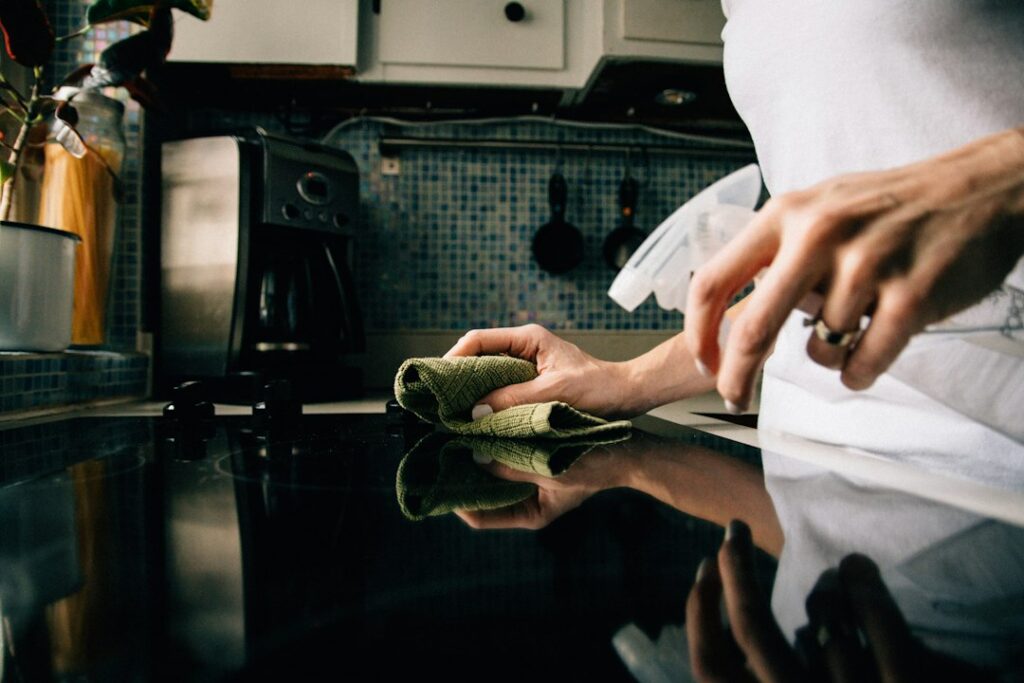
Natural stone countertops, vanities, islands, and backsplashes can stay attractive for many years when they are cleaned with products suited to the stone’s composition and finish. The safest routine is usually simple: use a pH-neutral stone cleaner or a small amount of mild dishwashing detergent, rinse away residue, and dry the surface with a soft cloth.
Which cleaning products are safest for natural stone?
The safest everyday choices are products labeled for natural stone, pH-neutral cleaners, stone soap, or mild liquid dishwashing detergent diluted in warm water. These products remove food residue, fingerprints, grease, and ordinary household soil without aggressively reacting with the stone.
Use a soft microfiber cloth, cotton cloth, or non-abrasive sponge. Apply the cleaner to the cloth or use a light amount on the surface, then wipe evenly. Excess cleaner can leave a dull film, especially on polished stone.
After washing:
- Rinse with clean water if soap or cleaner was used.
- Dry the surface rather than allowing it to air-dry.
- Change the rinse water frequently when cleaning a large area.
- Wipe spills promptly, especially oil, wine, coffee, tomato products, and colored sauces.
For households in Kernersville, regular wiping can be especially useful during humid seasons when moisture, cooking residue, and outdoor dust may remain on surfaces longer. A clean, dry countertop is less likely to develop streaks or a hazy buildup.
Are vinegar and lemon safe for stone countertops?
Vinegar, lemon juice, citric acid, and other acidic products should not be used as routine cleaners on natural stone. They can etch or dull calcium-based stones such as marble, limestone, travertine, and some other light-colored materials.
Etching is a chemical change to the surface, not ordinary dirt. It may appear as a dull spot, pale ring, or area that reflects light differently from the surrounding finish. Cleaning the spot again will not remove it.
Granite and quartzite are generally more resistant to acids than marble, but acidic cleaners are still poor choices. Natural stone can contain different minerals, and a product that seems harmless on one slab may affect another. Acidic products can also damage grout, nearby finishes, and some sealers.
A common misconception is that diluted vinegar is safe for every countertop because it is a familiar household cleaner. Dilution reduces strength but does not remove the acidic character of the product.
What products should be avoided?
Avoid cleaners and tools that are abrasive, strongly acidic, or highly alkaline unless they are specifically recommended for the stone and the type of stain.
Products and materials to avoid for routine care include:
- Scouring powders and abrasive creams
- Rough scrub pads and steel wool
- Toilet-bowl cleaners and rust removers
- Oven cleaners and heavy-duty degreasers
- Products containing lemon, vinegar, or other acids
- Furniture polish, wax, and oily coating products
- Unlabeled homemade mixtures
- Strong disinfectants used more often or at higher concentrations than directed
Rust removers deserve special caution. Some contain hydrofluoric acid, which can seriously attack natural stone, including stones commonly considered durable. A product intended for metal or plumbing fixtures should not automatically be used on a countertop.
Never mix bleach with ammonia or with other household cleaners. The combination can create dangerous fumes. If disinfection is necessary, use only a product whose label states that it is appropriate for the surface, follow the dilution instructions, provide ventilation, and rinse when directed.
Does the type of stone change the cleaning routine?
Yes. The mineral composition, surface finish, and fabrication details all affect maintenance.
Calcareous stones contain calcium carbonate and are more vulnerable to acids. Marble, limestone, and travertine require particularly careful product selection. Siliceous stones, including many granites and quartzites, are generally less reactive to common kitchen acids, but they still benefit from neutral cleaning products.
The finish also matters:
- Polished stone: Usually easiest to wipe clean, but streaks and etching can be highly visible.
- Honed stone: Has a matte appearance and may show oil marks or darkened areas more readily.
- Leathered or textured stone: Can hold crumbs and residue in its texture, so a soft brush may help without scratching.
- Flamed or rough exterior stone: Often needs more rinsing because dirt can settle into the texture.
Fabricated edges, seams, sink cutouts, and backsplash joints should be wiped rather than flooded. Standing water can collect in narrow joints and may contribute to residue, discoloration, or moisture problems in surrounding materials.

What is the best daily cleaning method?
For most kitchen surfaces, daily care takes only a few steps:
1. Remove crumbs and loose debris with a soft cloth.
2. Wipe with warm water and a pH-neutral stone cleaner or a very small amount of mild dish soap.
3. Rinse away soap residue.
4. Dry with a clean microfiber cloth.
Use separate cloths for the countertop and for areas that may contain stronger cleaning chemicals, such as the sink or bathroom floor. Even small amounts of abrasive grit can create fine scratches over time.
For bathrooms, a squeegee can reduce water spots and soap buildup on stone walls and ledges. A non-acidic soap-scum remover is safer than a typical acidic bathroom product.
How should stains be handled?
First identify whether the mark is a surface spill, a stain absorbed into the stone, or etching caused by a chemical reaction. These problems can look similar but require different responses.
For a fresh spill, blot rather than scrub. Scrubbing can spread oil or push colored liquid into pores. Then clean with a neutral product and rinse.
Oil-based marks may require a stone-safe degreasing product. Organic stains such as coffee, tea, or food may respond to a carefully selected poultice. A poultice is a paste made from an appropriate cleaning agent and absorbent material; as it dries, it draws some of the staining material out of the stone.
Do not experiment with acids, paint chemicals, or concentrated solvents on a visible countertop. Test any specialty product in an inconspicuous area first and follow its label directions.
Does natural stone need to be sealed?
Sealing can improve stain resistance on some stones, but it does not make stone stain-proof or maintenance-free. Some materials and finishes need an impregnating sealer, while others may need little or none.
The correct product depends on the stone, finish, location, and intended use. A food-preparation surface requires a product specifically identified as suitable for that purpose. Cleaning cannot restore a worn sealer, and applying more sealer over residue can create a cloudy appearance.
A simple test is to observe how the surface responds to a small amount of water in an inconspicuous area. Darkening that remains briefly may indicate absorption, but this is not a complete evaluation of the stone or sealer.
What routine works best for local households?
A practical maintenance schedule is:
- Wipe spills as soon as possible.
- Clean kitchen surfaces after food preparation.
- Dry bathroom stone after use when practical.
- Remove grit before wiping textured surfaces.
- Use neutral products instead of rotating through harsh cleaners.
- Recheck the manufacturer’s care instructions before using a specialty product.
- Keep acidic food and cleaning liquids from sitting on vulnerable stone.
The best cleaning product is rarely the strongest one. For most natural stone, consistent use of a mild, non-abrasive, pH-neutral cleaner protects the finish better than occasional aggressive scrubbing.