
 See My Latest Article on HelloNation
What Are the Most Common Stone Options for Kitchen Countertops?
The most widely used stones for kitchen countertops are granite, quartz, marble, soapstone, and quartzite. Each stone type offers different appearances, durability, and maintenance requirements.
- Granite: Known for its natural patterns and colors, granite is a local favorite for its durability against heat and scratches.
- Quartz: This engineered stone is prized for consistent colors and finishes. While tough, it isn’t fully natural stone and can be more sensitive to heat.
- Marble: Loved for classic veining and elegance, marble is best for low-traffic kitchens as it is softer and more prone to staining and etching.
- Soapstone: Naturally matte and smooth, soapstone is less common but appealing due its unique texture and resistance to acids.
- Quartzite: Often confused with quartz, quartzite is a natural stone that blends granite-like strength with marble-like patterns.
While these stones are widely available in Kernersville, fabricators may offer unique local choices or variants that suit area homes.
How Does Climate and Lifestyle in Kernersville Affect Stone Choice?
Moderate seasonal temperature swings in Kernersville do not generally affect indoor countertop materials, but the local lifestyle can influence which option is best.
- Humidity & Seasonal Shifts: Most indoor stones are unaffected, but granite and quartzite handle any subtle household humidity better, resisting warping or expansion.
- Entertaining and Cooking Patterns: For busy households that enjoy regular gatherings or meal prepping, durability and stain resistance matter most. Granite and quartz hold up well to spills, heat, and accidental knife slips.
- Family Life: Homes with children or routines that involve frequent cleaning benefit from nonporous surfaces like quartz, which limit bacterial growth and are easy to wipe down.
What Maintenance Is Required for Each Stone?
Maintenance requirements vary substantially among stone surfaces. In Kernersville, households often choose based on what fits their cleaning routines and willingness to perform occasional care.
- Granite and Quartzite
- Require sealing, usually once a year, to prevent stains
- Clean with mild soap and water—avoid harsh chemicals
- Quartz
- No sealing needed, as it’s nonporous
- Simple cleaning with water and dish soap
- Marble
- Needs regular sealing and more frequent cleaning to avoid stains and etching from acidic substances
- Wipe spills promptly
- Soapstone
- No need for sealing
- Some owners choose periodic mineral oil to deepen color, but this is optional
Misconception: All stones require high maintenance. In reality, engineered stone like quartz needs less upkeep than granite or marble.
How Do Color and Pattern Affect Kitchen Design?
Stone choice heavily influences the look and feel of a kitchen. Granite and marble offer one-of-a-kind patterns, while quartz provides either subtle or bold, uniform designs. In local kitchens with open layouts, lighter tones can make small spaces feel larger, while dark stones create a warm, classic environment.
Some tips for integrating stone into Kernersville kitchens:
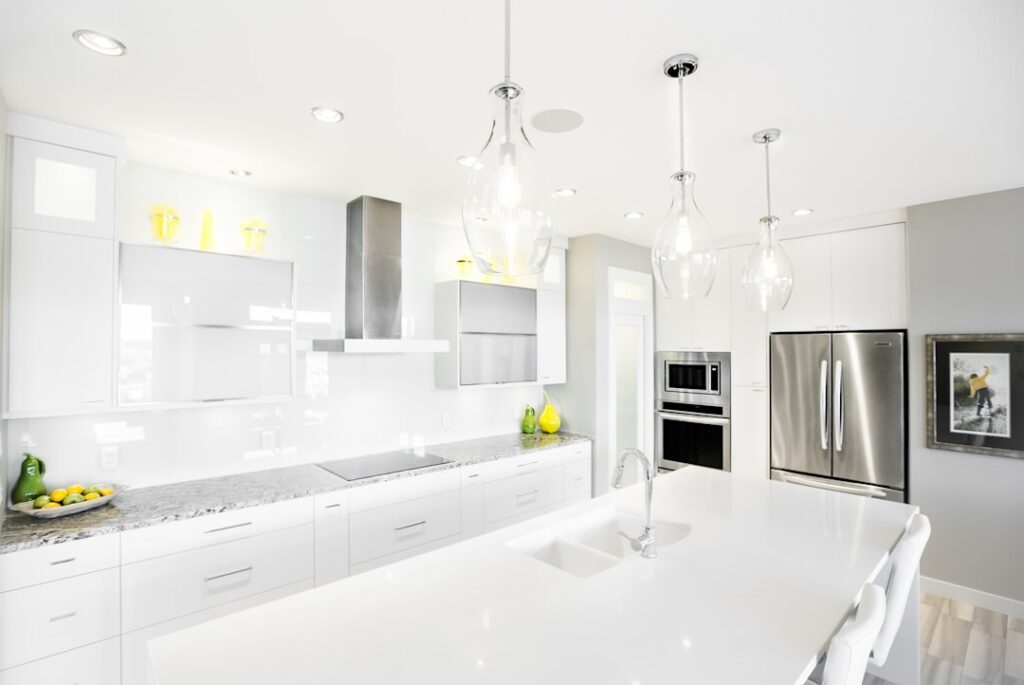
- Light marbles or white quartz complement natural light and can brighten older homes
- Dark granite or soapstone makes a statement in modern renovations
- Neutral tones like beiges and greys work well for traditional or farmhouse spaces common in the area
Homeowners often overlook the long-term impact of trends. Considering personal style and home architecture usually yields results that age well.
What Cost Factors Should Local Residents Consider?
Countertop costs depend on more than just the type of stone. Local fabrication policies, slab size, thickness, edge profiles, and installation complexity matter.

- Granite and quartz are often in a similar price bracket, with standard colors and thinner slabs typically more affordable.
- Marble and quartzite, especially rare types, tend to be more expensive.
- Additional costs might arise from cutouts for sinks, edge designs, or removing old countertops.
- Transportation and availability can affect pricing, especially for specialty stones not regularly stocked in the region.
For many in the community, selecting a practical but beautiful stone offers the best long-term value, considering both installation and ongoing care.
Are There Sustainability or Health Concerns?
Most stones are a durable choice for decades, but some area residents are asking more about sourcing, production, and indoor air quality.
- Sustainability: Granite and marble are natural resources; their extraction can affect the environment. Engineered quartz uses minerals and resin—look for manufacturers with responsible practices.
- Health Factors: Quartz and granite are nonporous (when properly sealed) and limit bacterial harboring, making them safe for food prep. Radon emissions from granite have not posed any known public health concern in typical indoor installations.
- Recycling and Lifespan: Most natural stones can be reused or recycled when removed, making them a long-lasting choice compared to other countertop materials.
How Should Area Households Sample and Compare Stones?
Viewing small samples or photos rarely provides a full sense of how a stone will look at scale or under real kitchen lighting. Local residents are advised to:
- View full slabs in person if possible
- Compare how samples look under both natural daylight and artificial task lighting used in the kitchen
- Consider touch and finish—matte, polished, and leathered surfaces feel and look different
Renovators sometimes overlook the importance of edge profiles (such as beveled or rounded edges) and how seam placement might impact the overall appearance.
What Are Common Myths or Mistakes When Choosing Stone Countertops?
Common misconceptions include:
- Assuming all stone is equally durable
- Believing marble or light granite will always be too delicate for family kitchens
- Thinking price differences always reflect quality
In reality, even softer stones can work in busy homes with proper care, and many high-value granites are very affordable. Choosing based purely on fashion or price can result in regrets—balancing aesthetics, lifestyle, and long-term upkeep usually leads to greater satisfaction.