

 See My Latest Article on HelloNation
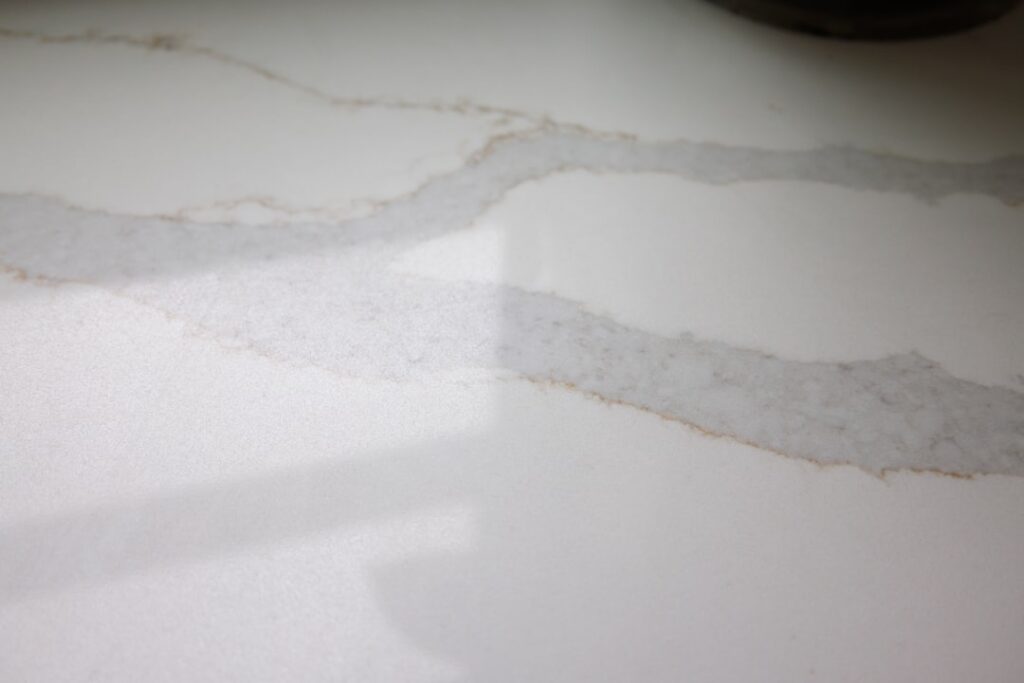
What Are the Biggest Cost Influencers for Stone Countertop Installation?
Installing stone countertops involves various expenses, and homeowners in Kernersville, NC often want clarity on why costs range so widely. The main factors include the type of stone, slab size, labor complexity, and local conditions like access and layout. Understanding these elements can help area households set a realistic budget for their remodeling project.
How Does Stone Type Affect the Price?
Stone selection is often the most significant cost driver. Granite, marble, quartz, quartzite, and soapstone all have different price points due to origin, rarity, and fabrication needs.
- Granite is widely available and generally more affordable, with some exotic varieties costing more.
- Marble is prized for its elegance, but it’s usually priced higher due to its softness and maintenance requirements.
- Quartz offers consistency and less upkeep, but engineered surfaces often fall into a mid-to-high price range.
- Quartzite and soapstone are rarer and can be among the most expensive options.
Local dealers may offer pricing adjustments based on supply, so material costs may fluctuate over time in Kernersville.
What Role Does Countertop Size and Layout Play?
The size and shape of a kitchen or bathroom heavily influence total expenses. Simple, straight layouts require less cutting and labor, while complex corners, angles, and large islands drive up fabrication time.
- For smaller homes or galley kitchens commonly found in some Kernersville neighborhoods, less material and fewer seams can keep projects more affordable.
- Custom shapes, curved edges, or large integrated sinks raise both material waste and fabrication costs, especially if slabs must be joined or seamed discreetly.
Understanding your layout’s specifics is the best way to anticipate possible overages before work begins.
Are Edge Styles, Cutouts, and Finishes Significant Cost Factors?
Edge treatments and custom features can alter both look and labour cost. Standard “eased” or squared edges generally come at no extra charge. Decorative profiles such as ogee, bullnose, or bevel require specialized cutting and add to the bottom line.
Cutouts for sinks, cooktops, and faucets—especially undermount or farmhouse sinks—require precision, which means additional fabrication charges. Drain boards, grooves, or integrated backsplashes can also influence the final price considerably.
Finish choice matters as well. Honed or leathered finishes take extra time versus a standard polished surface and may cost more depending on the stone.
How Do Local Labor and Site Conditions Impact Expenses?
Labor costs in the Kernersville area generally reflect broader regional wage patterns, but there are still important local considerations:
- Homes with narrow hallways, stairs, or limited access may incur additional charges for careful transport and maneuvering.
- Older homes with uneven cabinets or floors may require leveling or reinforcement, which is an added expense often overlooked during planning.
- Unexpected plumbing or electrical adjustments, discovered after removing old countertops, can increase costs if modifications are needed.
Being aware of site accessibility and home conditions up front can prevent last-minute surprises.
Are There Hidden or Overlooked Expenses?

Residents sometimes focus solely on stone and fabrication, missing smaller yet necessary elements:
- Removal and disposal of existing countertops can range widely, based on the material being removed (laminate, tile, solid surface).
- Sealing and initial maintenance for porous stones like marble or granite may be charged separately.
- Permits are usually not required just for countertop swaps in Kernersville residential settings, unless plumbing or electrical changes are extensive, but it's wise to check local regulations if making other upgrades at the same time.
- Transport fees may apply if the project is outside standard service areas or requires special equipment.
Asking for detailed quotes with line-item breakdowns helps residents compare options fairly.
How Do Seasonal or Local Market Conditions Change Costs?
Material costs can fluctuate based on global supply or transportation challenges, but local demand and seasonality play a role too. Spring and summer often see higher volumes of home renovation projects, which sometimes stretches installer schedules or results in longer project timelines.
Temporary demand surges, like after extreme weather, may see both material and labor rates rise briefly. Planning projects in lower-demand months might improve flexibility on installation dates.
What Misconceptions Lead to Unexpected Charges?
A common misconception is that all stone types are of similar cost if the slab size is equal—the truth is that quarry origin, thickness, and pattern can each add to the price. Expecting to keep the same sink or faucet may also not always be possible if new cutouts don't match existing plumbing.
Another frequent oversight is underestimating the value of precision installation. Leaving out leveling or not considering cabinetry stability can lead to rework, which is far more expensive after the fact than careful preparation.
Homeowners who budget only for material cost and overlook labor and finishing details are most likely to encounter unplanned charges.
What Practical Steps Can Residents Use to Manage These Costs?
Start with clear measurements and a well-thought-out design. Familiarize yourself with stone varieties available locally and their care needs, as this can influence both upfront and ongoing expenses. Carefully review any quote for edge profiles, cutouts, and finishes, and ask for clarification about transport, removal, and possible site preparation costs.
Finally, if your home has limited access or unique architectural features, communicate these from the outset, as this will help installers plan and avoid added charges later.